The Ancient Board Game That'll Quietly Rewire Your Brain
Written by Vincent Buchner | May 21, 2025
Last Updated at May 21, 2025
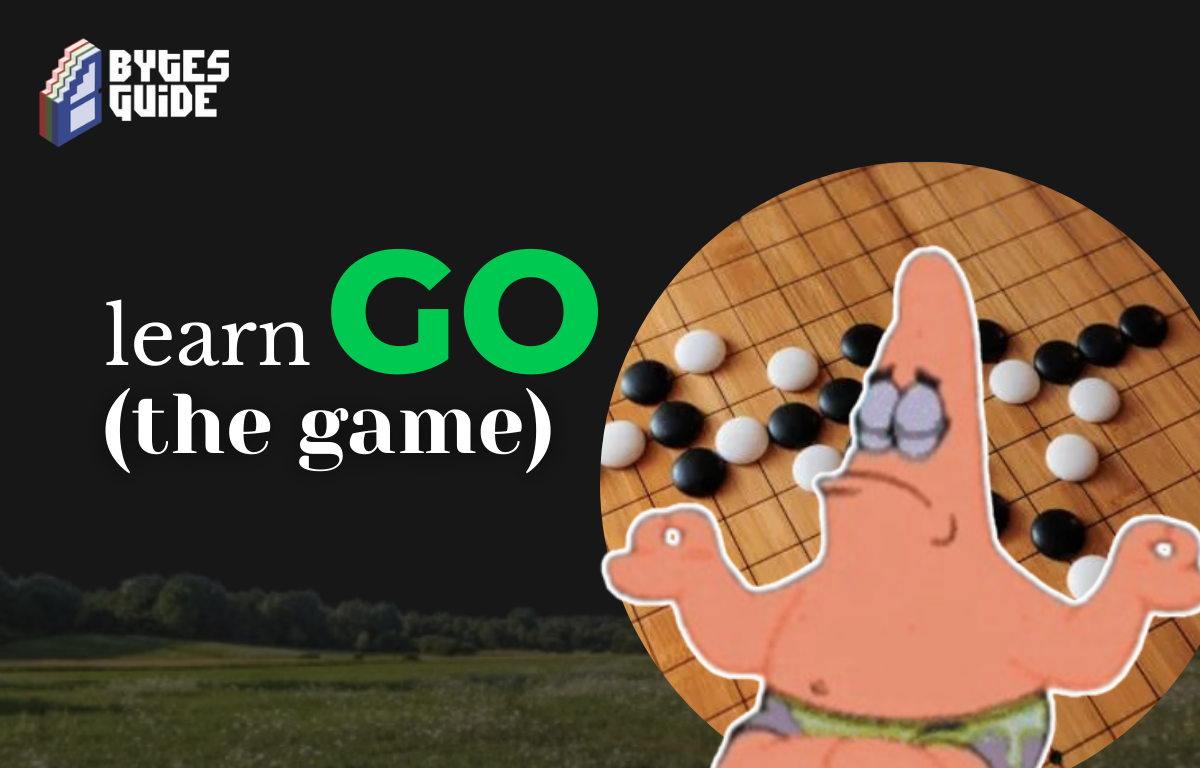
The last few months, I’ve been attempting to learn how to play the board game Go. It’s a thousands-of-years-old game that’s deceptively easy-appearing but quite complicated. I was extremely bad when I first started. Like, seriously bad. There are beginner bots I still can’t defeat on some days, and I’ve had games where I lose embarrassingly fast.
But lately, I’ve gotten a little bit better! And wow, this game has subtly taught me so much more than just where to place stones on a board.
For those who are unfamiliar, Go is played on a grid—a 19x19 board is most traditional, but 13x13 and 9x9 versions are used for quicker gameplay and to learn. I play solely 9x9 for now because it’s just slightly more manageable while I’m trying to get my head around it all. Despite the smaller board, it’s not short on tactics.
Let us take a step back and appreciate just how complex Go can get. The number of legal board positions on a 19x19 board is estimated to be higher than the number of atoms in the observable universe. Yeah. There are more than 10^170 possible positions. For comparison, chess has a little over 10^50. All in front of you, as white and black stones
And yet, the rules of play are elegantly simple. You play stones on intersections with the goal of surrounding territory, and whoever has the most territory at the end wins. Simple, until it isn’t.
Go has taught me patience in a way that few games or experiences have. I have learned to combat the urge to attack first. It’s a game that incentivizes defense, preparation, and establishing your own security before expanding into enemy territory. I’ve seen this lesson play out time and time again: the player who overextends or attacks too early is the one who loses. Build up your base, secure your stones, and only then think about offense. There’s something deeply metaphorical about that, especially in a world that incessantly pushes us towards speed and aggression.
And mistakes? Oh man, the game is full of them. I make mistakes every other move, but Go also teaches you how to recover. One mistake doesn’t need to be game over. Sometimes you can improvise. Sometimes you can sacrifice a group to support another area of the board. And sometimes? You just get destroyed, but you know why, and you move on. That’s what keeps me coming back: it’s tough, but never unfair."
Here are some of the sites I’ve used to learn:
- BadukPop (highly recommend)
- The Interactive Way to Go
- GoKibitz
There’s also something very personal about how people play. Some are aggressive. Some are patient. Some chase fights. Some build walls. In a way, your Go style becomes a mirror of your personality. And if you’re not careful, it’ll expose your bad habits too.
In any case, I’m still learning. I still mess up. I still get beaten by bots. But I love it. If you’re even a little bit interested, I would highly recommend giving Go a shot. It’s free, it’s ancient, and it’s still one of the world’s most respected strategy games.
If anyone wants to play, I’m always up for it.